How Tap Water Mineral Content Affects Your Metabolism, Energy, and Hormonal Health
We tend to focus heavily on food, supplements, and training when we talk about nutrition - but one overlooked variable is what we drink every day: water.
By Irina Stoica · · 3 min read
We tend to focus heavily on food, supplements, and training when we talk about nutrition - but one overlooked variable is what we drink every day: water.
For many women navigating fatigue, weight fluctuations, or hormonal imbalances, subtle factors like the mineral composition of tap water can play a quiet but powerful role. Could it be that the water you’re drinking is either supporting or sabotaging your energy, metabolism, and recovery? Let’s explore what the science says.
The Forgotten Nutrient: Minerals in Water
Water is more than hydration. Depending on its source - municipal tap, well water, filtered water, or bottled - it can deliver a significant amount of essential minerals, or almost none.
Key minerals that may be present in water:
Magnesium
Calcium
Sodium
Potassium
Bicarbonate
Sulphate
Together, these minerals contribute to electrolyte balance, muscle function, nervous system regulation, and even enzymatic activity involved in metabolism.
Studies suggest that in some regions, up to 10–20% of daily magnesium intake may come from drinking water - but only if the water is naturally rich in minerals (1).
What Happens When Minerals Are Too Low?
Filtered, distilled, or very “soft” water (common in urban systems or after reverse osmosis filtration) may be stripped of essential minerals - leaving the body without key nutrients it needs for:
Blood sugar regulation
Muscle contraction and relaxation
Stress resilience (HPA axis)
Electrolyte balance during training
Energy production (ATP synthesis)
In contrast, moderate consumption of “hard” water (rich in calcium and magnesium) has been associated with a lower risk of cardiovascular disease and improved glucose control in epidemiological studies (2).
The Hidden Link: Water, Cortisol, and Hormonal Fluctuations
For women, particularly those over 40 or navigating perimenopause, subtle changes in electrolyte balance can amplify fatigue, brain fog, and sugar cravings - common complaints I see in clients.
When electrolytes (especially magnesium and potassium) are low, the body may trigger a mild stress response, increasing cortisol. This in turn can worsen blood sugar instability, fatigue after meals, and disrupted sleep - even if your diet is otherwise balanced.
Moreover, during the luteal phase of the menstrual cycle (days 19–28), fluid retention increases, and electrolyte needs shift - making water mineral content even more important for mood and energy regulation.
So... Is It the Water?
The answer is: sometimes, yes. If you feel tired, bloated, or have frequent sugar crashes despite careful nutrition, don’t overlook hydration quality.
Signs your water may be too low in minerals:
Cravings for salty or mineral-rich foods
Increased fatigue after training
Muscle cramps or restless legs
Dizziness when standing quickly
Increased bloating in the luteal phase
What You Can Do
Test your tap water Local municipal water reports (often published online) will tell you calcium, magnesium, and total dissolved solids (TDS) content.
Avoid over-filtering Reverse osmosis or distilled water removes all minerals. If using these, consider remineralising or alternating with mineral water.
Include natural mineral water European mineral waters such as Gerolsteiner, San Pellegrino, or local equivalents can supply calcium, magnesium, and bicarbonate - often more bioavailable than supplements.
Adjust intake across your cycle Increase mineral-rich hydration (broths, mineral water) in the second half of the cycle when fluid shifts occur.
Conclusion
Water is more than a neutral fluid - it’s a nutrient carrier. For active women managing energy, stress, and hormonal balance, choosing the right water source can make a subtle but measurable difference. Small shifts, such as adding a glass of mineral water daily or adjusting for your cycle, may support more stable energy, recovery, and mood.
Next time you feel tired “for no reason” - consider: is it the water?
References
Sabatier, M., et al. “Contribution of tap water to dietary intake of minerals in France.” European Journal of Clinical Nutrition (2002)
Yang, C.Y., et al. “Calcium and magnesium in drinking water and the risk of death from cardiovascular diseases.” American Journal of Epidemiology (1998)
Seelig, M.S. “Magnesium deficiency and its role in hypertension and metabolic syndrome.” Medical Hypotheses (1994)
Want to learn more about how minerals and hydration impact your energy and metabolism? [Join my email list here - you’ll get my free guide: “Fuel Your Focus: Key Nutrients for Cognitive Energy and Resilience.”
This article is general education, not medical advice. Please speak with a qualified healthcare professional about your own circumstances. Health Disclaimer
Enjoyed this article?
Join the newsletter to receive new Journal pieces.
Keep reading
Why French Women Don’t Snack: Lessons in Satiety and Balance
Discover how French women stay full without snacking -and what their mealtime habits teach us about satiety, digestion, and real food freedom.
Did You Know There Are 262 Commercial Names for Sugar?
It’s easy to think of sugar as “just” a sweet ingredient. But beyond the obvious names like “sucrose” and “glucose,” sugar hides in plain sight-under more than 260 commercial aliases. From agave nectar and brown rice…
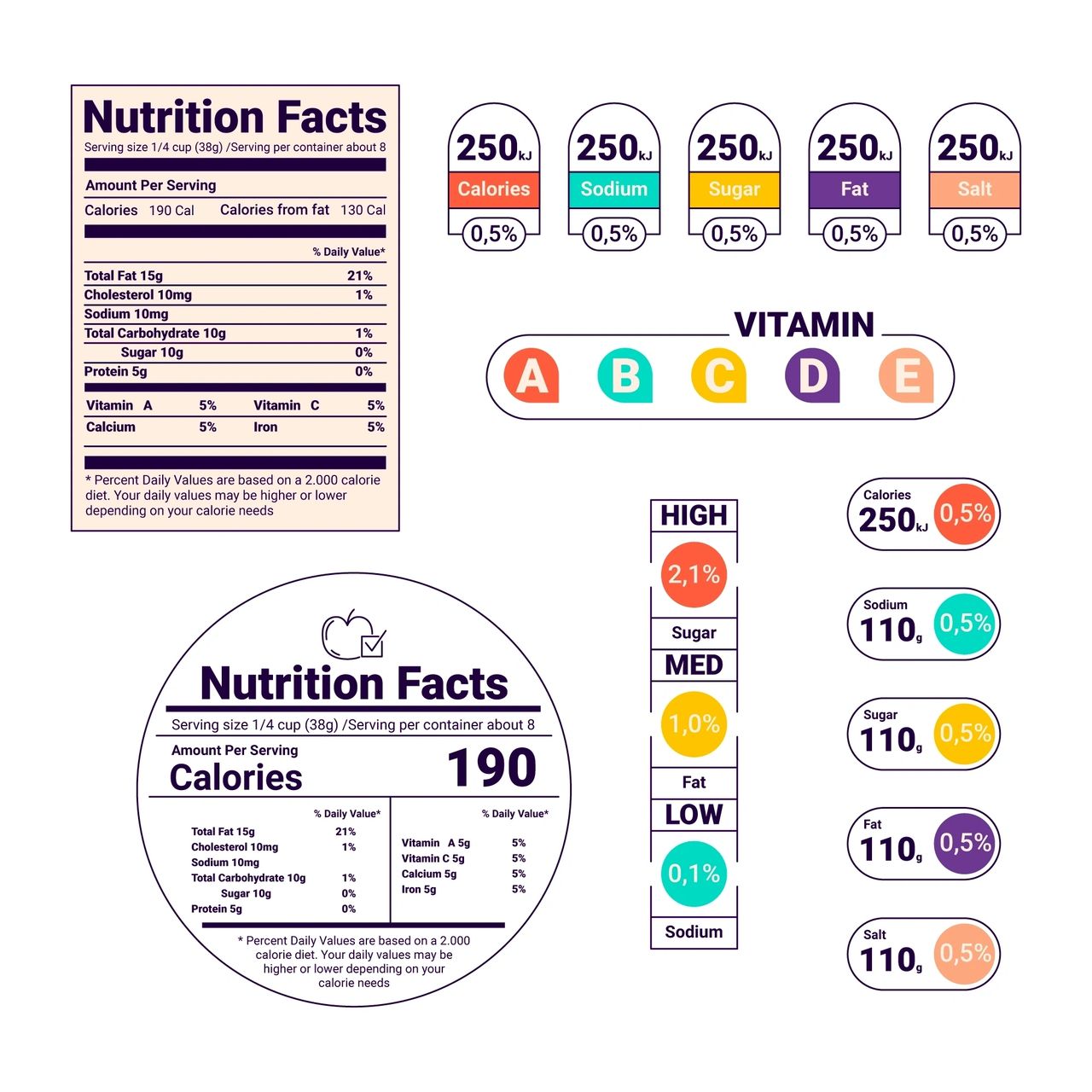
Decoding the Label: How to Spot Ultra-Processed Foods
Confused by the fine print on food packaging? Our Label Decoder Guide breaks it down — so you can identify ultra-processed ingredients, spot hormonal disruptors, and choose foods that truly nourish.