Did You Know There Are 262 Commercial Names for Sugar?
It’s easy to think of sugar as “just” a sweet ingredient. But beyond the obvious names like “sucrose” and “glucose,” sugar hides in plain sight-under more than 260 commercial aliases. From agave nectar and brown rice…
By Irina Stoica · · 10 min read
It’s easy to think of sugar as “just” a sweet ingredient. But beyond the obvious names like “sucrose” and “glucose,” sugar hides in plain sight-under more than 260 commercial aliases. From agave nectar and brown rice syrup to maltodextrin and fruit juice concentrate, sugar is often added to foods marketed as “healthy,” subtly hijacking your appetite, energy, and hormonal balance.
In today’s article, we’ll explore:
Why sugar affects your brain and body so deeply
How fructose is metabolized like alcohol
The real impact of sugar on hormones like cortisol, insulin, and estrogen
And why this matters even more in perimenopause and menopause
Sugar, the Brain, and Your Craving System
When you consume sugar, your brain gets a fast hit of dopamine-a neurotransmitter associated with reward and motivation. This is what gives sugar its addictive edge.
But here’s the catch: dopamine is excitatory. It spikes quickly and fades fast, often leaving you wanting more to feel that same “reward.” Compare that to serotonin-a regulatory neurotransmitter that promotes calm, contentment, and emotional stability. While dopamine is triggered by novelty and intensity (like sugar or social media), serotonin thrives on stability, sunlight, and consistent nourishment.
When you habitually chase sugar highs, you’re training your brain to seek stimulation, not balance. Over time, this can lead to:
Heightened stress reactivity
Poor emotional regulation
Disrupted appetite signals
And for women navigating midlife hormone shifts, these effects can compound existing symptoms.
Fructose: A Hidden Culprit (Metabolized Like Alcohol)
Most processed sugars contain fructose, either alone (as in high-fructose corn syrup) or combined with glucose (as in table sugar). Fructose is metabolized exclusively by the liver-just like alcohol. Unlike glucose, which is used by every cell in your body for energy, fructose bypasses the body’s natural satiety signals and places a direct load on the liver.
What this means for your body:
Elevated triglycerides
Increased visceral fat (particularly belly fat)
Disruption in insulin sensitivity
Higher risk of non-alcoholic fatty liver disease
In perimenopause and menopause, when estrogen’s protective effect on insulin sensitivity is declining, this becomes even more problematic. Your body becomes more prone to storing fat, especially when liver metabolism is overloaded.
How Much Sugar Can the Human Body Tolerate?
According to the World Health Organization, the recommended maximum daily intake of “free” sugars (those added to foods and drinks) is:
25 grams (about 6 teaspoons) for women
36 grams (about 9 teaspoons) for men
But the average adult today consumes nearly 3–4 times that amount-often without realizing it. Breakfast cereals, salad dressings, “protein” bars, and even yogurt can contribute hidden sugars throughout the day.
For women in midlife, even moderate sugar intake can tip the scales toward:
Cortisol dysregulation (especially with poor sleep or chronic stress)
Blood sugar instability (leading to energy crashes and cravings)
Exacerbated hot flashes, night sweats, and mood swings
More pronounced fat accumulation in the abdominal region
Cortisol, Sugar, and Hormonal Chaos
Sugar doesn’t just spike blood glucose-it triggers cortisol, your primary stress hormone.
Here’s how it works:
You eat sugar → blood glucose spikes
Insulin surges to bring glucose down
Blood sugar crashes → cortisol kicks in to raise it back up
This hormonal ping-pong keeps your body in a reactive, stressed state
Over time, this loop can blunt your sensitivity to both insulin and cortisol, leaving you more fatigued, inflamed, and metabolically rigid. In perimenopause, where hormone rhythms are already fluctuating, this effect is magnified.
What You Can Do: Smart Sugar Strategy
You don’t need to fear sugar-but you do need to understand it. Here are some practical steps to protect your energy and hormonal health:
Read ingredient lists: Look beyond the front of the package. Sugar often hides under names like maltodextrin, invert syrup, or evaporated cane juice.
Balance blood sugar: Prioritize protein and fiber at each meal to reduce cravings and stabilize glucose.
Focus on serotonin-building habits: Natural light, regular meals, movement, and deep sleep all support mood and reduce sugar-seeking behavior.
Track your patterns: If sugar cravings spike before your period or after poor sleep, this is valuable hormonal feedback-not failure.
Be kind to your body: You don’t have to cut sugar entirely. But by becoming aware of how it’s affecting your mood, metabolism, and midlife transition-you reclaim control.
Final Thoughts
Sugar is not just about willpower or weight. It’s about your brain, your hormones, and how your body maintains homeostasis under pressure.
At NutrifyMy.Life, I help women decode the hidden drivers of fatigue, cravings, and hormonal chaos-without guilt or gimmicks. Understanding sugar is just the beginning.
If this resonates with you:
Subscribe to the blog
Download your free PMS & Nutrition Blueprint
Or book a free discovery call for personalized guidance
Because real nutrition isn’t about restriction-it’s about clarity, compassion, and smart strategy.
The Hidden Truth About Sugar: 262 Names and Counting
Sugar is more than just a sweet ingredient; it's a complex substance that affects your brain, body, and hormones in profound ways. Beyond the obvious names like sucrose and glucose, sugar hides in plain sight under over 260 commercial aliases. From agave nectar and brown rice syrup to maltodextrin and fruit juice concentrate, sugar is often added to foods marketed as "healthy," subtly hijacking your appetite, energy, and hormonal balance.
The Impact of Sugar on Your Brain and Body
When you consume sugar, your brain gets a fast hit of dopamine-a neurotransmitter associated with reward and motivation. This is what gives sugar its addictive edge. However, dopamine is excitatory, spiking quickly and fading fast, often leaving you wanting more to feel that same "reward." Compare this to serotonin-a regulatory neurotransmitter that promotes calm, contentment, and emotional stability. While dopamine is triggered by novelty and intensity, serotonin thrives on stability, sunlight, and consistent nourishment.
The Consequences of Chasing Sugar Highs
When you habitually chase sugar highs, you're training your brain to seek stimulation, not balance. Over time, this can lead to:
Heightened stress reactivity
Poor emotional regulation
Disrupted appetite signals
Exacerbated symptoms in midlife, particularly during perimenopause and menopause
Fructose: The Hidden Culprit
Most processed sugars contain fructose, either alone or combined with glucose. Fructose is metabolized exclusively by the liver-just like alcohol. Unlike glucose, which is used by every cell in your body for energy, fructose bypasses the body's natural satiety signals and places a direct load on the liver. This can lead to:
Elevated triglycerides
Increased visceral fat
Disruption in insulin sensitivity
Higher risk of non-alcoholic fatty liver disease
The Recommended Sugar Intake
According to the World Health Organization, the recommended maximum daily intake of "free" sugars is:
25 grams (about 6 teaspoons) for women
36 grams (about 9 teaspoons) for men
However, the average adult consumes nearly 3-4 times that amount, often without realizing it. For women in midlife, even moderate sugar intake can tip the scales toward:
Cortisol dysregulation
Blood sugar instability
Exacerbated hot flashes, night sweats, and mood swings
More pronounced fat accumulation in the abdominal region
The Cortisol-Sugar Connection
Sugar doesn't just spike blood glucose-it triggers cortisol, your primary stress hormone. This hormonal ping-pong keeps your body in a reactive, stressed state, leading to:
Insulin resistance
Metabolic rigidity
Fatigue and inflammation
Breaking Free from Sugar's Grip
You don't need to fear sugar-but you do need to understand it. Here are some practical steps to protect your energy and hormonal health:
Read ingredient lists to uncover hidden sugars
Balance blood sugar with protein and fiber
Focus on serotonin-building habits like natural light, regular meals, movement, and deep sleep
Track your patterns and be kind to your body
Take Control of Your Health
At NutrifyMy.Life, we help women decode the hidden drivers of fatigue, cravings, and hormonal chaos-without guilt or gimmicks. Understanding sugar is just the beginning. By becoming aware of how sugar affects your mood, metabolism, and midlife transition, you can reclaim control and thrive.
Final :
Did You Know There Are 262 Commercial Names for Sugar?
It’s easy to think of sugar as “just” a sweet ingredient. But beyond the obvious names like “sucrose” and “glucose,” sugar hides in plain sight-under more than 260 aliases. From agave nectar and brown rice syrup to maltodextrin and fruit juice concentrate, sugar is often added to foods marketed as “healthy,” subtly hijacking your appetite, energy, and hormonal balance.
Today, we’ll explore:
Why sugar affects your brain and body so deeply
How fructose is metabolized like alcohol
What the body can realistically handle
How this links to cortisol, insulin, and hormonal disruption-especially in perimenopause and menopause
Sugar, the Brain, and Your Craving System
When you eat sugar, your brain releases dopamine, a neurotransmitter tied to reward and motivation. This sharp dopamine response explains why sugar feels addictive and why it’s so difficult to eat “just one bite” of a hyper-palatable food.
But here’s the key difference:
While dopamine is excitatory and linked to short-term reward-seeking, serotonin supports mood stability, sleep, and long-term satisfaction【1】. Frequent sugar consumption encourages the brain to seek excitement rather than regulation.
This imbalance is associated with:
Poor emotional regulation
Heightened stress reactivity
Increased risk of depression and anxiety【2】
In midlife women, whose serotonin production may already decline due to hormonal shifts, sugar-driven dopamine highs can worsen mood swings and energy crashes.
Fructose: Metabolized Like Alcohol
Fructose-the sweet component in table sugar and high-fructose corn syrup-is metabolized almost entirely in the liver, much like alcohol【3】.
Unlike glucose, which is used by every cell in the body, fructose bypasses insulin regulation and satiety signaling, placing a direct burden on hepatic metabolism. This can lead to:
Elevated triglycerides
Fat accumulation in the liver (non-alcoholic fatty liver disease)
Increased abdominal fat and insulin resistance【4】【5】
This is especially concerning during perimenopause and menopause, when the protective effects of estrogen on glucose metabolism begin to wane【6】.
How Much Sugar Is “Safe”?
The World Health Organization (WHO) recommends that women consume no more than 25 grams (6 teaspoons) of added sugar per day【7】. Yet the average adult consumes between 70–100 grams daily-much of it hidden in processed foods.
Frequent intake of added sugars is associated with:
Cortisol dysregulation
Impaired sleep and mood stability
Increased hot flashes, anxiety, and central fat gain during menopause【8】【9】
Cortisol, Blood Sugar Swings, and Hormonal Chaos
Here’s what happens when you consume sugar:
Glucose spikes
Insulin surges to lower blood sugar
Blood sugar crashes → cortisol is released to stabilize levels
This stress response leads to more cravings, poorer sleep, and hormonal disruption
Chronic blood sugar fluctuations activate the HPA axis, your body’s stress-response system. This can downregulate thyroid function, disrupt sex hormone production, and impair progesterone synthesis-all common complaints in perimenopausal women【10】.
A Hormone-Smart Approach to Sugar
You don’t have to eliminate sugar completely-but understanding its full impact helps you make more empowered choices.
Recommendations:
12–14 hour overnight fasts (aligned with circadian rhythms) to improve insulin sensitivity
Protein and fiber-rich meals to stabilize glucose and reduce cravings
Minimize late-night eating, which can worsen cortisol rhythm
Avoid high-fructose processed foods, especially when stress or sleep is poor
Support serotonin production with regular meals, morning light, exercise, and tryptophan-rich foods
Final Thoughts
Final Thoughts
Sugar is not just about calories-it’s a metabolic disruptor and a neurochemical influencer, especially for women navigating midlife transitions.
In his landmark book “Fat Chance: Beating the Odds Against Sugar, Processed Food, Obesity, and Disease,” Dr. Robert Lustig outlines how excess fructose behaves like a chronic liver toxin, fueling insulin resistance, fat storage, and hormonal disruption.
In his follow-up, “The Hacking of the American Mind,” Lustig explains how sugar hijacks the brain’s dopamine pathways, contributing to addiction-like behaviors, mood disorders, and widespread metabolic dysfunction.
“We now consume more added sugar than any other civilization in history-and we’re paying for it with rising rates of chronic disease and mental burnout,” says Lustig.
For women in perimenopause and menopause, this matters more than ever. Your shifting hormones already challenge insulin sensitivity, serotonin production, and cortisol regulation-and excess sugar accelerates this spiral.
At NutrifyMy.Life, we help women create personalized strategies rooted in hormonal literacy, blood sugar awareness, and sustainable energy-not restriction or perfection.
If you're ready to:
Reduce cravings
Stabilize your mood
Improve metabolic flexibility
… then let’s build a smart, science-based strategy that works for your real life.
References
Lustig, R. H. (2012). Fat Chance: Beating the Odds Against Sugar, Processed Food, Obesity, and Disease. Hudson Street Press.
Lustig, R. H. (2017). The Hacking of the American Mind: The Science Behind the Corporate Takeover of Our Bodies and Brains. Avery
Benton, D., & Donohoe, R. T. (1999). The effects of nutrients on mood. Public Health Nutrition, 2(3a), 403–409.
Rao, T. S., Asha, M. R., Ramesh, B. N., & Jagannatha Rao, K. S. (2008). Understanding nutrition, depression and mental illnesses. Indian Journal of Psychiatry, 50(2), 77–82.
Tappy, L., & Lê, K. A. (2010). Metabolic effects of fructose and the worldwide increase in obesity. Physiological Reviews, 90(1), 23–46.
Stanhope, K. L., Schwarz, J. M., & Havel, P. J. (2013). Adverse metabolic effects of dietary fructose: results from the recent epidemiological, clinical, and mechanistic studies. Current Opinion in Lipidology, 24(3), 198–206.
Vos, M. B., & Lavine, J. E. (2013). Dietary fructose in nonalcoholic fatty liver disease. Hepatology, 57(6), 2525–2531.
Carr, M. C. (2003). The emergence of the metabolic syndrome with menopause. Journal of Clinical Endocrinology & Metabolism, 88(6), 2404–2411.
World Health Organization. (2015). Guideline: Sugars intake for adults and children.
Thurston, R. C., et al. (2009). Menopausal hot flashes and carotid intima media thickness among midlife women. Stroke, 40(1), 105–110.
Taylor, H. S., et al. (2022). Sex Hormone Regulation and Midlife Metabolism. Endocrine Reviews, 43(2), 148–171.
Mountjoy, M. L., et al. (2018). The IOC consensus statement: beyond the Female Athlete Triad-Relative Energy Deficiency in Sport (RED-S). British Journal of Sports Medicine, 52(11), 687–697.
This article is general education, not medical advice. Please speak with a qualified healthcare professional about your own circumstances. Health Disclaimer
Enjoyed this article?
Join the newsletter to receive new Journal pieces.
Keep reading
How Tap Water Mineral Content Affects Your Metabolism, Energy, and Hormonal Health
We tend to focus heavily on food, supplements, and training when we talk about nutrition - but one overlooked variable is what we drink every day: water.
Why French Women Don’t Snack: Lessons in Satiety and Balance
Discover how French women stay full without snacking -and what their mealtime habits teach us about satiety, digestion, and real food freedom.
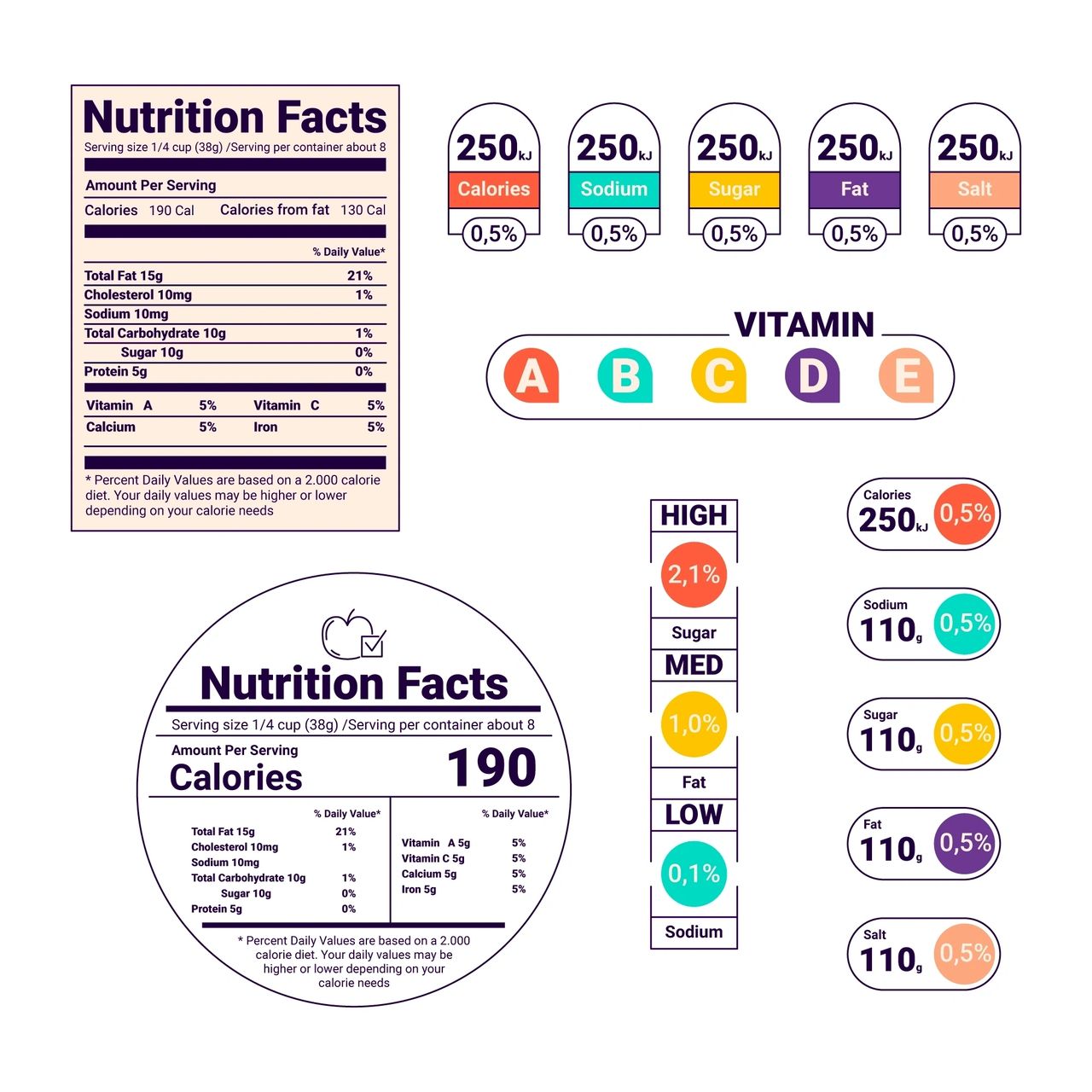
Decoding the Label: How to Spot Ultra-Processed Foods
Confused by the fine print on food packaging? Our Label Decoder Guide breaks it down — so you can identify ultra-processed ingredients, spot hormonal disruptors, and choose foods that truly nourish.