Decoding the Label: How to Spot Ultra-Processed Foods
Confused by the fine print on food packaging? Our Label Decoder Guide breaks it down — so you can identify ultra-processed ingredients, spot hormonal disruptors, and choose foods that truly nourish.
By Irina Stoica · · 4 min read
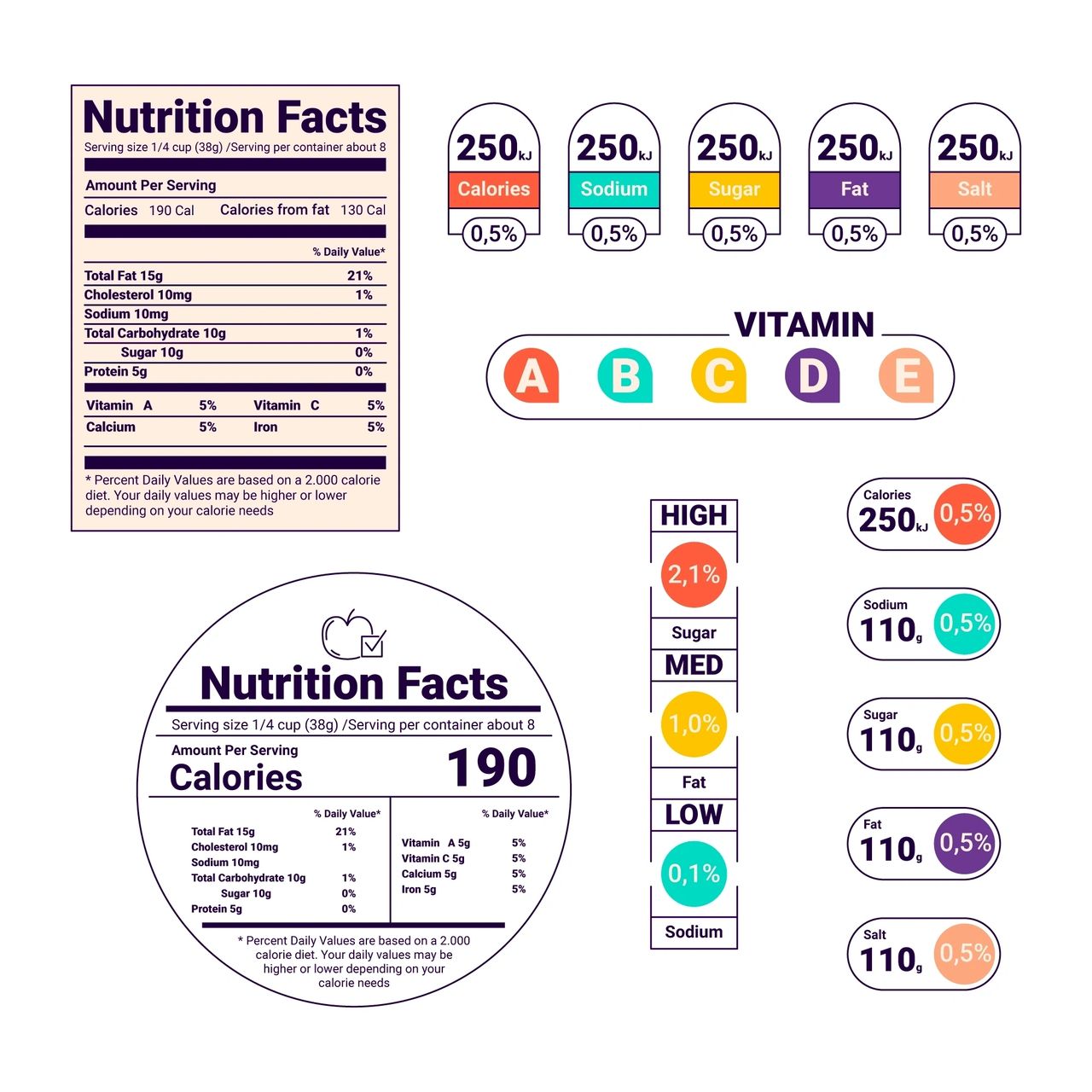
Confused by the fine print on food packaging? Our Label Decoder Guide breaks it down — so you can identify ultra-processed ingredients, spot hormonal disruptors, and choose foods that truly nourish.
In a world where nearly 60% of calories in many Western diets come from ultra-processed foods, reading a food label is no longer just a skill - it’s a form of self-defense. But decoding ingredient lists and understanding the hierarchy of what's inside a package isn’t always straightforward.
This article breaks down how to read food labels, spot the signs of ultra-processing, and understand what the food industry hopes you overlook.
1. Start With the Ingredients - Not the Claims
Ignore the marketing slogans on the front of the package. “Natural,” “fit,” “immune-boosting”? These are often vague at best, and misleading at worst. The truth lies on the back - in the ingredient list.
The rule is simple: ingredients are listed in order of quantity, from highest to lowest.
If sugar, seed oils, or white flour appear among the first three ingredients, that product is likely designed for maximum flavor, not nutritional balance.
Watch for:
Multiple types of sugar (glucose syrup, maltodextrin, fructose)
Refined or hydrogenated oils
Additives like “flavoring,” “enhancers,” or “fortification” that compensate for poor base ingredients
2. What Are Ultra-Processed Foods?
The NOVA classification system defines ultra-processed foods (UPFs) as industrial formulations with little or no intact whole food.
These products are engineered to:
Extend shelf life
Maximize reward through taste and texture
Prioritize convenience - often at the expense of metabolic and hormonal balance
Common examples include:
Protein bars with more sweeteners than protein
Yogurts with emulsifiers, stabilizers, and artificial flavors
Breakfast cereals labeled as “healthy” but listing more than 8 unfamiliar ingredients
If the label reads like a lab report, the product may have been designed to override your body’s natural satiety cues.
3. Decode the Common Additives
UPFs rely heavily on additives to create appealing texture, stability, and flavor. Some of the most common include:
Emulsifiers (e.g. soy lecithin, mono- and diglycerides): associated with gut barrier disruption in some studies
Artificial sweeteners (e.g. aspartame, sucralose): may influence insulin response and gut microbiome diversity
Colorings and flavorings (e.g. Red 40, “natural flavor”): often chemically derived and loosely regulated
Stabilizers and thickeners (e.g. carrageenan, xanthan gum): designed to improve consistency, not nutrition
These are not inherently harmful in isolation — the key question is whether they are replacing real, nutrient-dense food components.
4. Spotting Real Food Products
Rather than asking, “Is this good or bad?”, try asking:
Could I recreate this in my own kitchen?
Would my grandmother recognize these ingredients?
Do I feel satiated and stable after eating this?
A more balanced label typically features:
Fewer than 8–10 ingredients
Only ingredients you could find in a grocery store
No artificial flavors, industrial starches, or synthetic additives
5. What This Means for Your Hormones
The effects of UPFs go beyond calorie content. These foods can disrupt:
Leptin, which signals fullness
Insulin, which regulates blood sugar
Cortisol, which rises in response to stress and poor dietary choices
When the body is consistently exposed to sugar, industrial fats, and hyper-palatable combinations, it struggles to maintain homeostasis. Cravings emerge not from a lack of willpower, but from disrupted feedback loops.
Conclusion
Food labels are not just legal fine print - they’re a map. They tell a story about what you're really eating.
Learning to read them is not about restriction. It’s about clarity. When you understand what’s in your food, you’re in a better position to make choices that support satiety, energy, and hormonal balance.
Flip the package. Read the list. Make it a habit. Your metabolism, and your mind, will thank you.
Before You Shop Again...
Now that you know how to read between the (ingredient) lines, take a moment to check your pantry. How many products would pass the “real food” test?
Looking for additional advice? Book a Free Discovery Call
References
Monteiro CA et al. (2019). Ultra-processed foods: what they are and how to identify them. Public Health Nutrition, 22(5), 936–941.
Fardet A. (2016). Minimally processed foods are more satiating and less hyperglycemic than ultra-processed foods: a preliminary study with 98 ready-to-eat foods. Food & Function, 7, 2338–2346.
Hall KD et al. (2019). Ultra-Processed Diets Cause Excess Calorie Intake and Weight Gain: An Inpatient Randomized Controlled Trial of Ad Libitum Food Intake. Cell Metabolism, 30(1), 67–77.e3.
Chassaing B et al. (2015). Dietary emulsifiers impact the mouse gut microbiota promoting colitis and metabolic syndrome. Nature, 519, 92–96.
Suez J et al. (2014). Artificial sweeteners induce glucose intolerance by altering the gut microbiota. Nature, 514(7521), 181–186.
This article is general education, not medical advice. Please speak with a qualified healthcare professional about your own circumstances. Health Disclaimer
Enjoyed this article?
Join the newsletter to receive new Journal pieces.
Keep reading
How Tap Water Mineral Content Affects Your Metabolism, Energy, and Hormonal Health
We tend to focus heavily on food, supplements, and training when we talk about nutrition - but one overlooked variable is what we drink every day: water.
Why French Women Don’t Snack: Lessons in Satiety and Balance
Discover how French women stay full without snacking -and what their mealtime habits teach us about satiety, digestion, and real food freedom.
Did You Know There Are 262 Commercial Names for Sugar?
It’s easy to think of sugar as “just” a sweet ingredient. But beyond the obvious names like “sucrose” and “glucose,” sugar hides in plain sight-under more than 260 commercial aliases. From agave nectar and brown rice…