Why French Women Don’t Snack: Lessons in Satiety and Balance
Discover how French women stay full without snacking -and what their mealtime habits teach us about satiety, digestion, and real food freedom.
By Irina Stoica · · 4 min read
Across the globe, modern nutrition advice is flooded with conflicting tips -but in France, something quietly radical happens. French women rarely snack. Yet they maintain steady energy, balanced weight, and a healthy relationship with food.
This article explores what their eating habits reveal about satiety, digestion, and the power of structured meals -and how you can apply these principles to your own life.
Understanding the Culture of Fullness -Not Fixation
If you’ve ever traveled to France, you’ve probably noticed: French women aren’t reaching for protein bars, sipping smoothies between meetings, or grazing every two hours. They eat real meals, sit down for them, and then move on.
They don’t feel deprived. They don’t count almonds or track macros. And they aren’t consumed by the next opportunity to eat.
So what’s different?
Why don’t French women snack -and what can we learn from their structure, mindset, and metabolism?
Meals, Not Grazing: A Cultural Difference That Matters
The French approach to food is rooted in structure and satisfaction. Meals are not just fuel -they are an experience. And this experience has a physiological impact.
French meals are:
Eaten sitting down
Rarely multitasked
Social or at least undistracted
Designed with clear beginning, middle, and end
Because food is given a defined space in the day, there’s less need to snack. Satiety is built into the system. When you eat a complete, satisfying meal, your body doesn’t keep asking for more.
What Science Says About Snacking and Satiety
Most people snack for one of three reasons:
They didn’t eat enough earlier in the day
Their blood sugar crashed due to poor meal composition
They’re responding to stress, fatigue, or boredom -not hunger
The French structure minimizes all three. Meals are built with protein, healthy fats, and fiber, which support:
Stable blood sugar
Consistent energy
Fewer cravings
It’s not about willpower -it’s about meal design.
A study in The Journal of Clinical Endocrinology & Metabolism (2010) found that participants eating three structured meals per day had better glucose control and reduced appetite compared to those eating six smaller meals -even with the same calories.
Table Manners Support Digestion and Hormonal Response
One overlooked element of satiety and digestive health is how we eat.
1. Eating Slowly Improves Satiety
It takes the brain 15–20 minutes to register fullness. French meals are naturally paced through conversation and custom -creating space for satiety hormones to work.
(Appetite, 2014, found that slower eating led to greater hormonal signals of fullness and reduced hunger post-meal.)
2. Chewing Supports Digestion
Mechanical digestion starts in the mouth. Chewing thoroughly helps enzymes break down food, improving nutrient absorption and reducing bloating or indigestion.
3. Focus Enhances Satisfaction
Eating while distracted reduces our awareness of how much we eat. French meals are eaten without screens, helping the body better recognize when enough is enough.
Kitchen Closure: A Cultural Habit That Resets the Metabolism
One of the most impactful, yet unspoken, habits in French culture is kitchen closure -the idea that after dinner, eating ends.
After the evening meal:
The kitchen is cleaned
The lights are turned off
The body transitions to rest
There is no grazing while watching Netflix or grabbing a second dessert out of boredom.
This is not about restriction. It’s about physiological boundaries that support:
Hormonal rhythm
Night-time insulin sensitivity
Restorative sleep
Reduced inflammation
Dr. Satchin Panda, leading circadian researcher, shows that time-restricted eating improves metabolic markers, fat oxidation, and hormonal balance. The French don’t just practice this -they live it.
What Happens When We Graze All Day
When food is constantly available, we eat reactively -not intentionally. This leads to:
Chronically elevated insulin
Disrupted hunger cues
Emotional dependence on food
A digestive system that never resets
Even “healthy” snacks can interfere with satiety when they’re used to cope with stress or poor meal timing.
How to Apply French Satiety Habits in Your Life
You don’t need to live in Paris to eat like the French. Here’s how to build real satiety and reduce unnecessary snacking:
1. Prioritize Complete, Satisfying Meals
Include protein, fat, and fiber at every meal to slow digestion and keep hunger at bay.
2. Eat Undistracted, At a Table
Turn off your phone. Focus on the food. This simple shift can dramatically change how your body responds to meals.
3. Set a Meal Rhythm
Stick to 3 structured meals. Let your body get hungry -and then feed it well. This builds trust with your appetite.
4. Close the Kitchen
Create a defined end to your eating window. This supports digestion, better sleep, and hormone regulation.
The Bottom Line
French women don’t avoid snacks because they’re restrictive. They simply don’t need them.
They eat meals that nourish, at times that support their biology, with structure that creates freedom.
When you stop eating reactively and start eating intentionally, your body follows. Satiety isn’t about eating less. It’s about eating better -and giving your body the rhythm it needs to feel full, strong, and calm.
Ready to rebuild that rhythm?
Join the 3-Week Reset at NutrifyMy.life and apply real strategies for real-life satiety.
Reclaim energy, reduce cravings, and feel good in your body again.
SEO Summary:
SEO Title: Why French Women Don’t Snack: Lessons in Satiety and Balance
Slug: /french-women-dont-snack-satiety-digestion-habits
Primary Keywords: French women eating habits, satiety, digestion, structured meals, snacking behavior, metabolic health
This article is general education, not medical advice. Please speak with a qualified healthcare professional about your own circumstances. Health Disclaimer
Enjoyed this article?
Join the newsletter to receive new Journal pieces.
Keep reading
How Tap Water Mineral Content Affects Your Metabolism, Energy, and Hormonal Health
We tend to focus heavily on food, supplements, and training when we talk about nutrition - but one overlooked variable is what we drink every day: water.
Did You Know There Are 262 Commercial Names for Sugar?
It’s easy to think of sugar as “just” a sweet ingredient. But beyond the obvious names like “sucrose” and “glucose,” sugar hides in plain sight-under more than 260 commercial aliases. From agave nectar and brown rice…
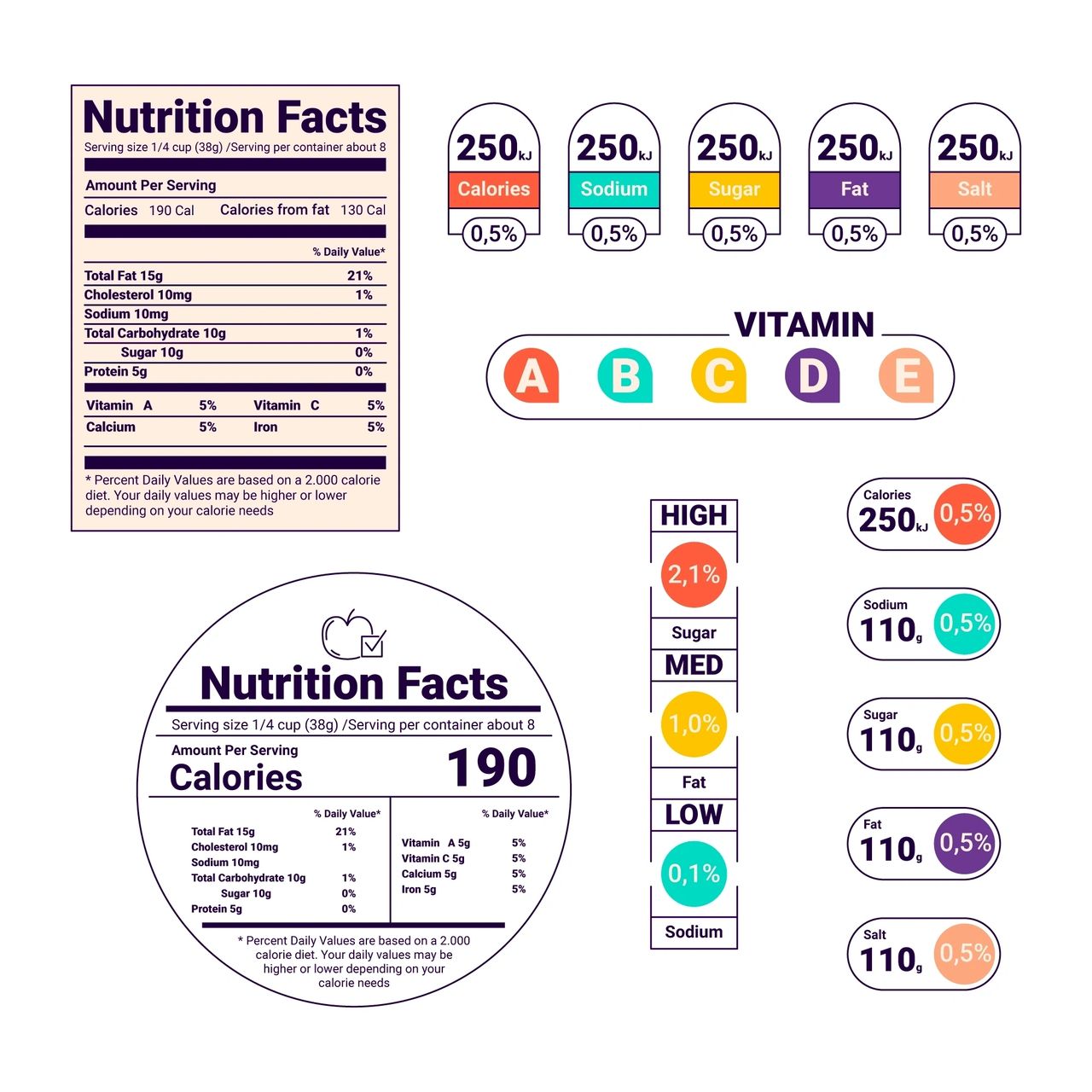
Decoding the Label: How to Spot Ultra-Processed Foods
Confused by the fine print on food packaging? Our Label Decoder Guide breaks it down — so you can identify ultra-processed ingredients, spot hormonal disruptors, and choose foods that truly nourish.